Research and school
Neotraditional Food Systems
at UT Austin.
Neotraditional Food Systems is the major I designed in the Humanities Honors program at the University of Texas at Austin. This page covers that major, my honors thesis, my internship with the City of Austin, and my first research on Austin’s food system.

“This scale is a somber reminder of ‘Texas Meat Purveyors.’ It stands as a symbol of transformation and commitment to a compassionate future.”
The inscription on the original scale at Casa de Luz. The building was a meatpacking plant before it became a whole-food, plant-based dining room, and it is the case study for my thesis.
Humanities Honors · Self-designed major
A major I wrote myself.
Humanities Honors lets each student design a major by contract, drawing courses from across the university. Mine is Neotraditional Food Systems.
It was in that program that I settled on the name. NFS is not a department or a standard degree plan. It is a course of study I proposed, built around one question: how could whole-food meals and communal dining become ordinary?
This website started there too. One of my Humanities classes asked each of us to build a site explaining our custom major, and I have kept building it since. Alongside Humanities I am completing a second major in Urban Studies.
What the coursework contributes
- Nutrition
- Fundamentals of Nutrition and International Nutrition in the Developing World: what the body needs, and how nutrition problems differ around the world.
- Food and history
- Food and World History and Social Dimensions of Food: how diets formed, how they changed, and who decided.
- Health and cities
- The Healthy, Livable City and Sustainability, Equity, and Health: how the built environment and public policy shape how people live.
- People and institutions
- Human Behavior and Social Environment and Philanthropy and Nonprofit Organizations: why people do what they do, and how organizations change it.
- Ethics and nature
- Human Place in Nature: what we owe other living beings and the natural world.
- Research methods
- Urban Studies Research Methods: statistics and structured observation. It produced the first research below.
Honors thesis · In progress
What would it cost
to feed Austin?
What would one whole-food, plant-based meal a day for every Travis County resident cost, compared with the public spending and hidden costs of the food system we already have?
My working claim is that the current system already costs more. The thesis tests that claim using Casa de Luz’s operating records and published estimates of public spending, health costs, and environmental costs. I expect to present it in May 2027.
- Cost the meal.Ingredients, labor, space, equipment, and overhead, from an operating dining room’s records.
- Trace the support.The public spending behind the current system, including funds that could be reconsidered.
- Compare scenarios.National and global figures scaled to Travis County, labeled as approximations, with low and high cases.
- Propose a first step.A test small enough to fund now, such as free meals for food-insecure residents through kitchens that already exist.
An early illustration of the math
The Rockefeller Foundation’s $604 billion in U.S. health care costs for diet-related disease comes to about $1,840 per person. Applied to Travis County’s roughly 1.39 million residents, that is about $2.6 billion a year.
One meal a day for every resident would cost about $8.1 billion a year at Casa de Luz’s current price of $16. At $5 a meal, it would cost about $2.5 billion. Serving only the 15% of residents who are food insecure (Austin/Travis County Food Plan) would cost about $380 million a year at $5 a meal.
The $5 figure is illustrative. It is not a measured production cost, and this comparison does not establish savings. Estimating what a meal would really cost at scale is the point of the thesis.
If the comparison holds, the money for a shift already exists in the current system. If it doesn’t, the thesis shows which costs an NFS model has to bring down. Either way, comparing costs does not mean every dollar can be redirected.
City of Austin · Food policy internship · Fall 2026
Possible futures for
food plan implementation.
Austin and Travis County adopted a food plan in 2024. My report explores what the city could do next, and makes the case for greater public support for food policy.
I’m comparing the plan with food systems research and with what other cities have tried, from public restaurants to changes in what city agencies buy and serve, and asking what each option would need in funding, staff, and public commitment.
Research and recommendations in development. The views here are my own.
Urban Studies Research Methods · The Healthy, Livable City
My first research on
Austin food systems.
I compared the food environments around the high schools in Austin ISD’s highest-income and lowest-income areas, on opposite sides of I-35.
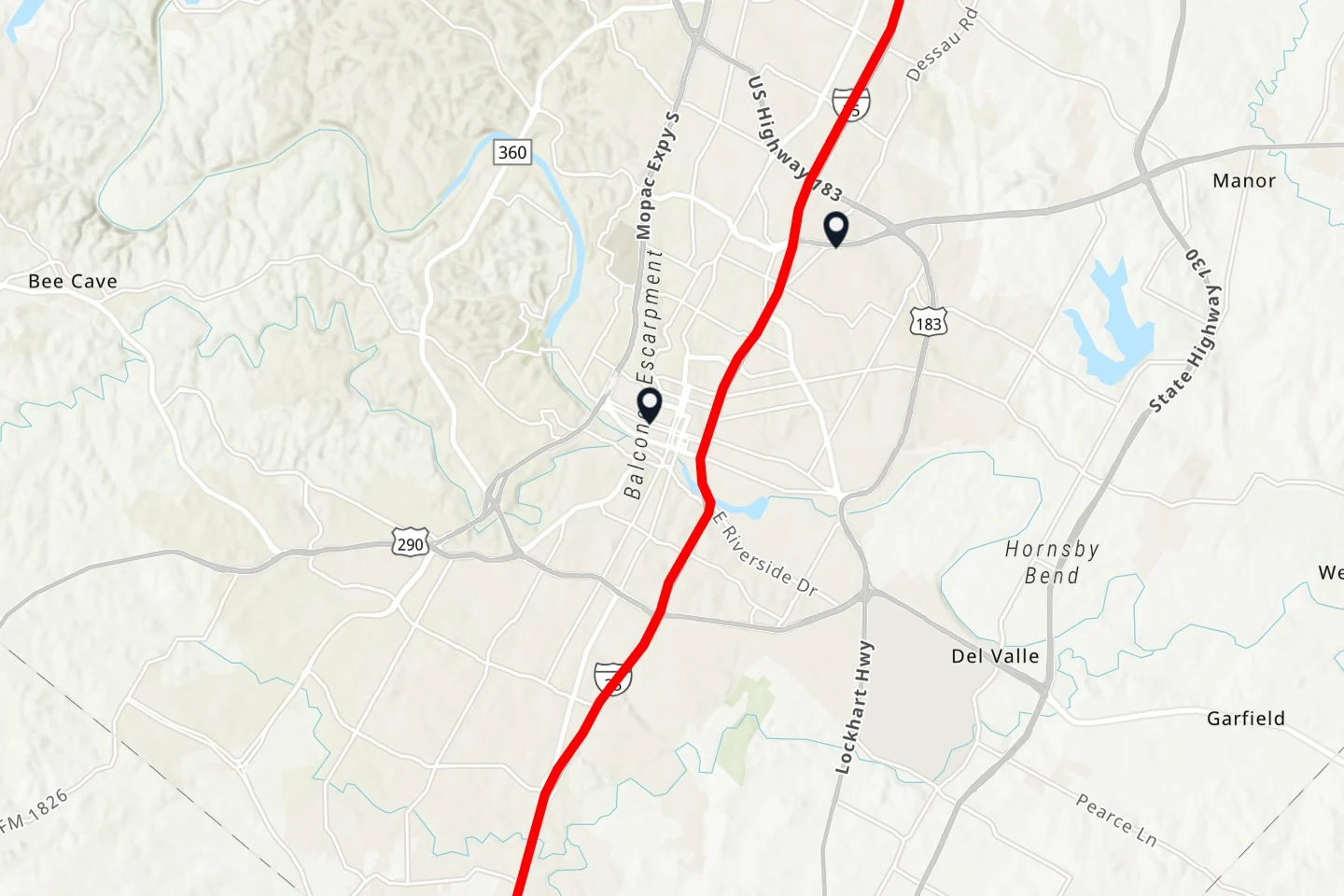
On the standard measures, the lower-income school looked better served. Its Walk Score was higher, and its nearest grocery store was 0.2 miles away instead of a mile. Then I went inside the stores.
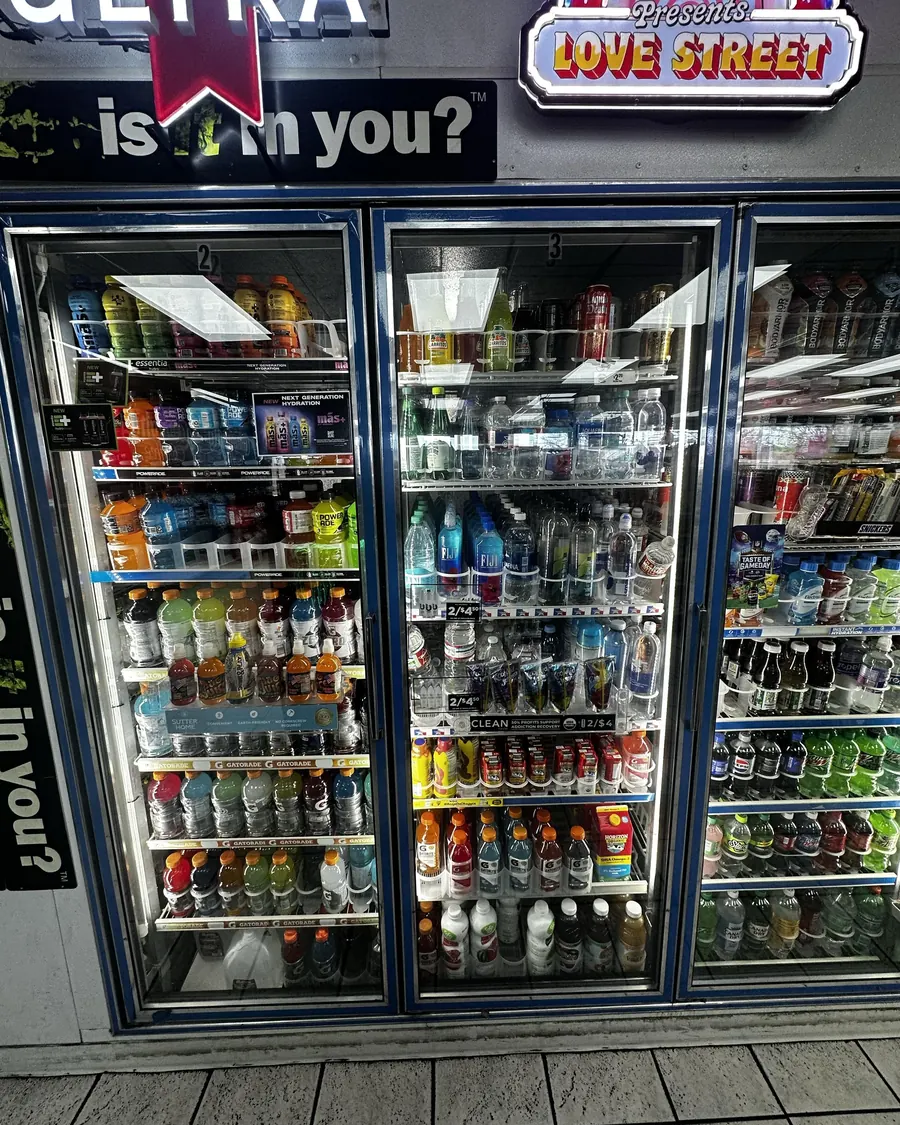 Nearest the higher-income school
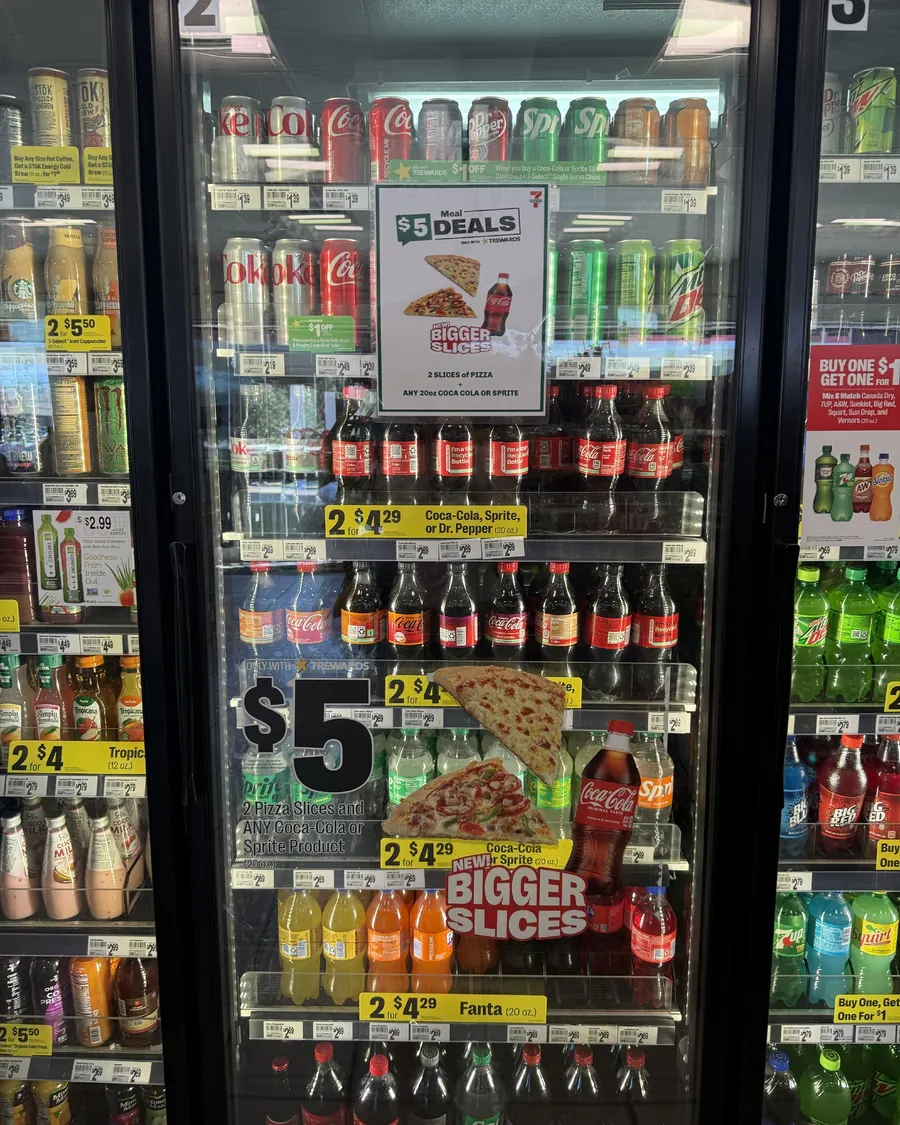 Nearest the lower-income school
This isn’t a sample. These are the stores those students walk into and the Walk Scores the city reports. Whatever the sample size, the difference between the two food environments is a fact.
A planner working from the standard maps would have flagged the wrong school. That is where my skepticism comes from: I now test common assumptions as a habit, including whether “food desert” labels measure the right thing.
What the standard map counts as healthy
Both grocery stores I photographed appear on a published map of Austin’s healthy food sources. The map isn’t wrong: both sell produce. But what is displayed and promoted inside them is not the same.
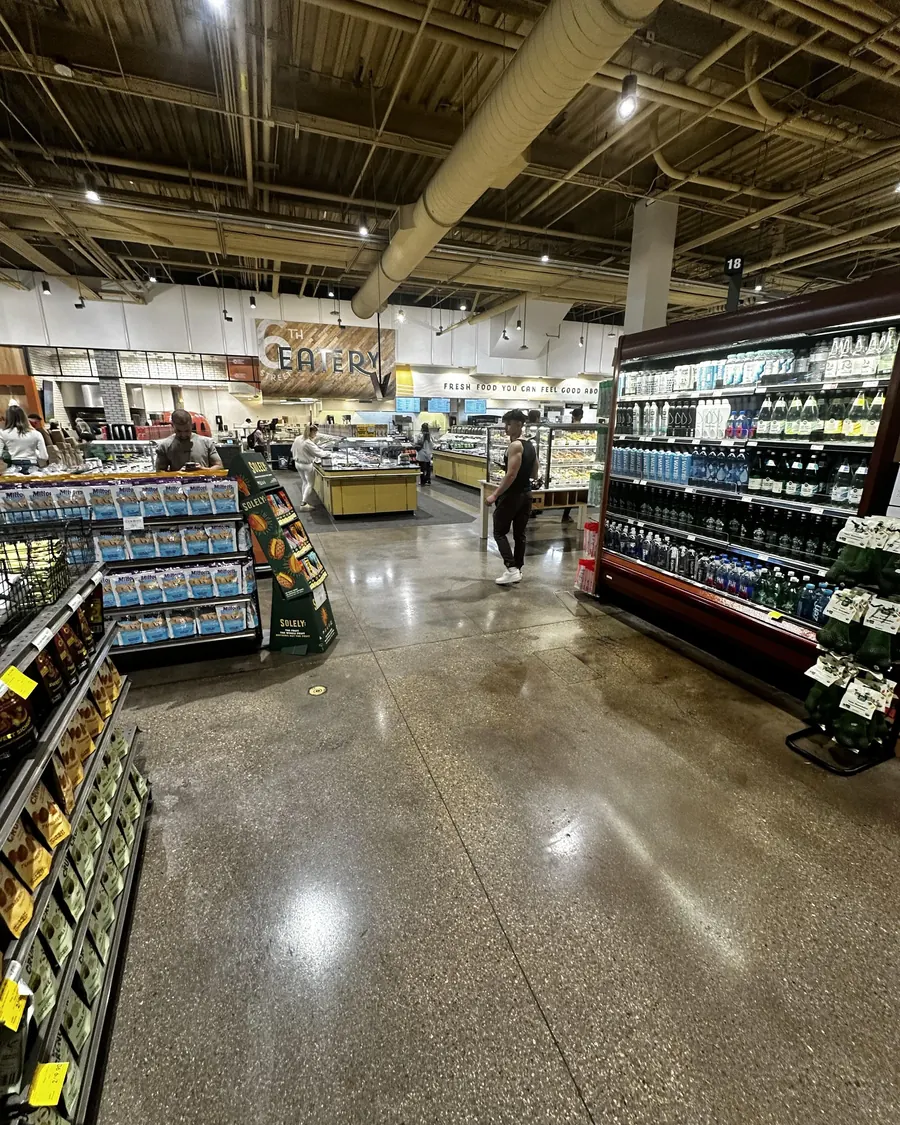 Nearest the higher-income school
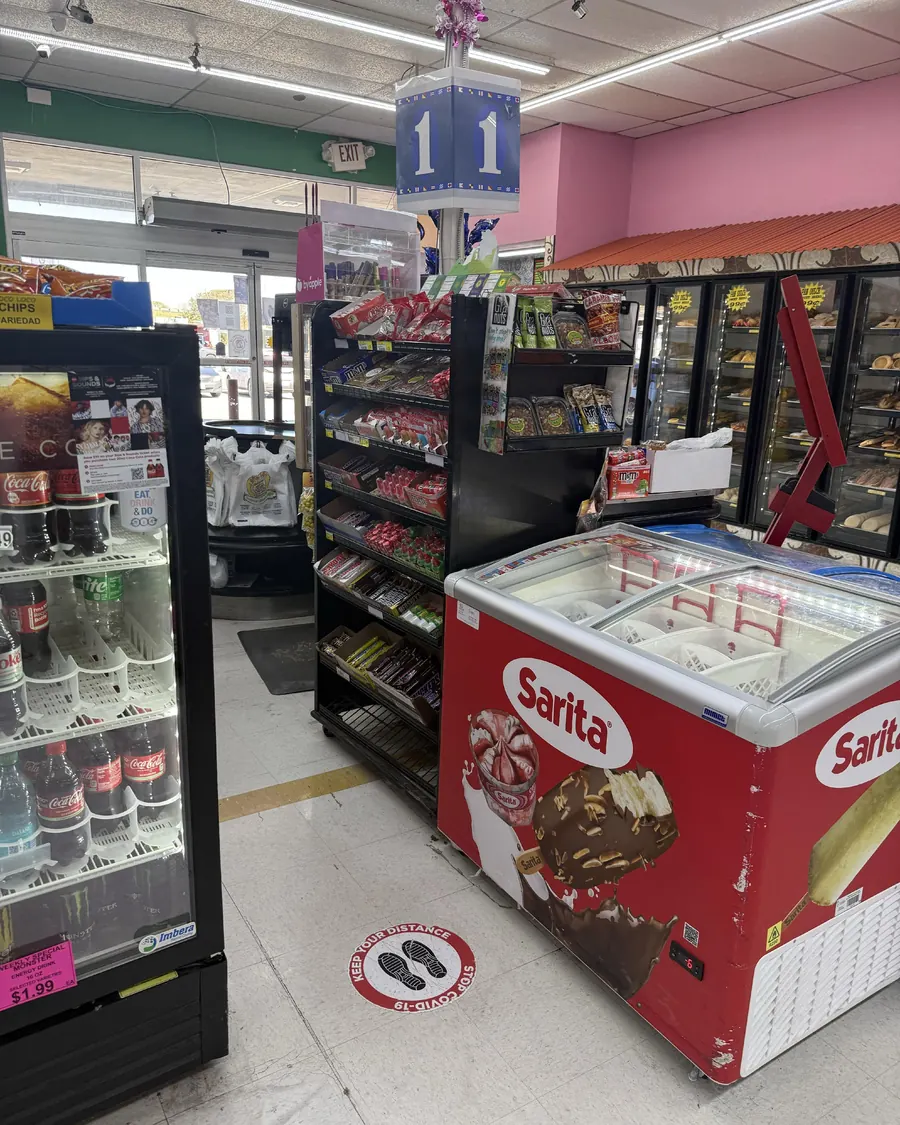 Nearest the lower-income school
That study found that vulnerable residents in Austin can walk to nearly three times as many unhealthy food sources as healthy ones (Jiao, 2016). A larger study in Pittsburgh found that once food prices were accounted for, distance to the store no longer predicted obesity; the stores differed in how they displayed and marketed junk food (Ghosh-Dastidar et al., 2014).